

Prostate cancer
Managing side effects of prostate cancer
Prostate cancer treatments can cause side effects affecting sexual function, urinary control, fertility and fatigue. Many side effects can be managed with medical treatments, lifestyle changes, exercise, and support from healthcare professionals.


Last updated: 12 March 2026
Sources and references 
It will take some time to recover from the physical and emotional changes caused by treatment for prostate cancer. Treatment side effects can vary – some people experience many side effects, while others have few. Side effects may last from a few weeks to a few months or, in some cases, years or permanently. Fortunately, there are many ways to reduce or manage side effects.
Side effects you may experience
| Prostatectomy | EBRT | Brachytherapy | ADT | Targeted therapy | |
| erection problems | ● | ● | ● | ● | |
| urinary problems | ● | ● | ● | ||
| loss of libido | ● | ● | ● | ● | |
| dry orgasm | ● | ● | ● | ||
| urine leakage during sex | ● | ||||
| infertility | ● | ● | ● | ● | |
| fatigue | ● | ● | ● | ● | |
| bowel problems | ● | ● | ● | ||
| hot flushes, osteoporosis, heart problems, breast growth, mood swings | ● |
Erection problems
You may have trouble getting or keeping an erection firm enough for intercourse (vaginal or anal) or other sexual activity after any treatment for prostate cancer. This is called erectile dysfunction or impotence.
The prostate is close to nerves, muscles and blood vessels that help control erections. These can be damaged during treatment. If the nerves are removed during surgery, erection problems happen immediately. After radiation therapy and ADT, problems may begin slowly.
The quality of your erections usually improves over time and can continue to improve for up to 3 years after treatment has finished. However, sometimes erection problems may be permanent.
Aside from cancer treatment, erection problems become more common with age. Erections can also be affected by diabetes and heart disease; some medicines for blood pressure or depression; surgery to the bowel or abdomen; smoking or heavy drinking; or emotional concerns.
Before and after treatment, you can help keep your penis healthy (penile rehabilitation) in various ways. These may include:
- foreplay and other sexual intimacy with a partner or masturbating
- trying to get erections, starting a month after surgery
- taking prescribed medicines to maintain blood flow in the penis
- stopping smoking and limiting the amount of alcohol you drink
- doing pelvic floor exercises
- injecting prescribed medicine into the penis.
Even without a full erection, you can still reach orgasm by stimulating the penis. Find out more information on managing changes to your sex life.
Ways to improve erections
There are several medical options to try to improve the quality of your erections, no matter what type of prostate cancer treatment you have had. Ask your treatment team for more details about these methods and other things you can do to improve erections.
Tablets
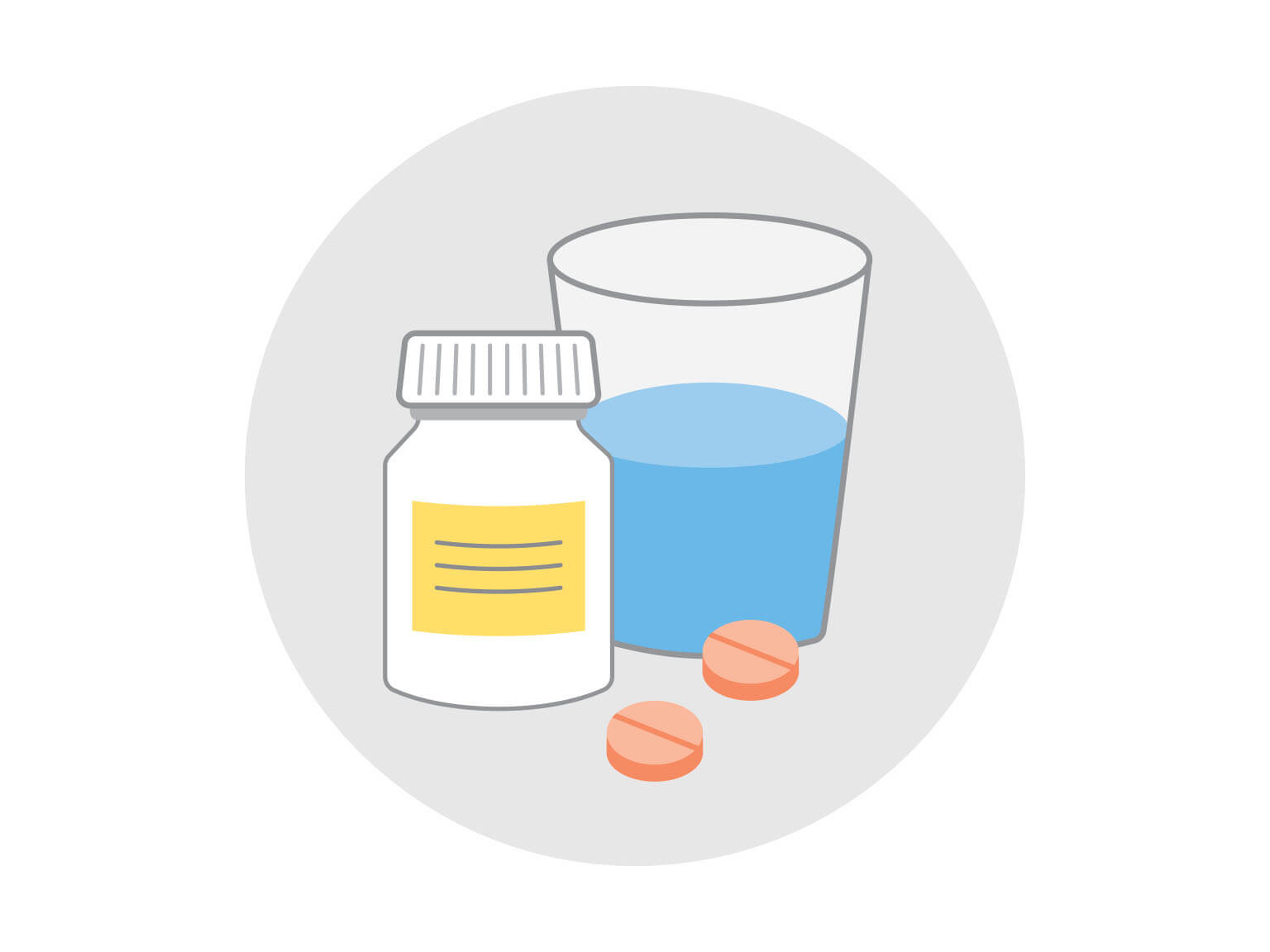
Your doctor can prescribe tablets to increase blood flow to the penis. These only help if the nerves controlling erections are working. These tablets should not be taken with certain blood pressure medicines. Check with your
doctor about the medicines you take.
Your doctor may recommend using the tablets before and soon after surgery, as the increased blood flow can help preserve penis health until the nerves recover. Tablets are also an option after radiation therapy and ADT.
Vacuum erection device (VED)
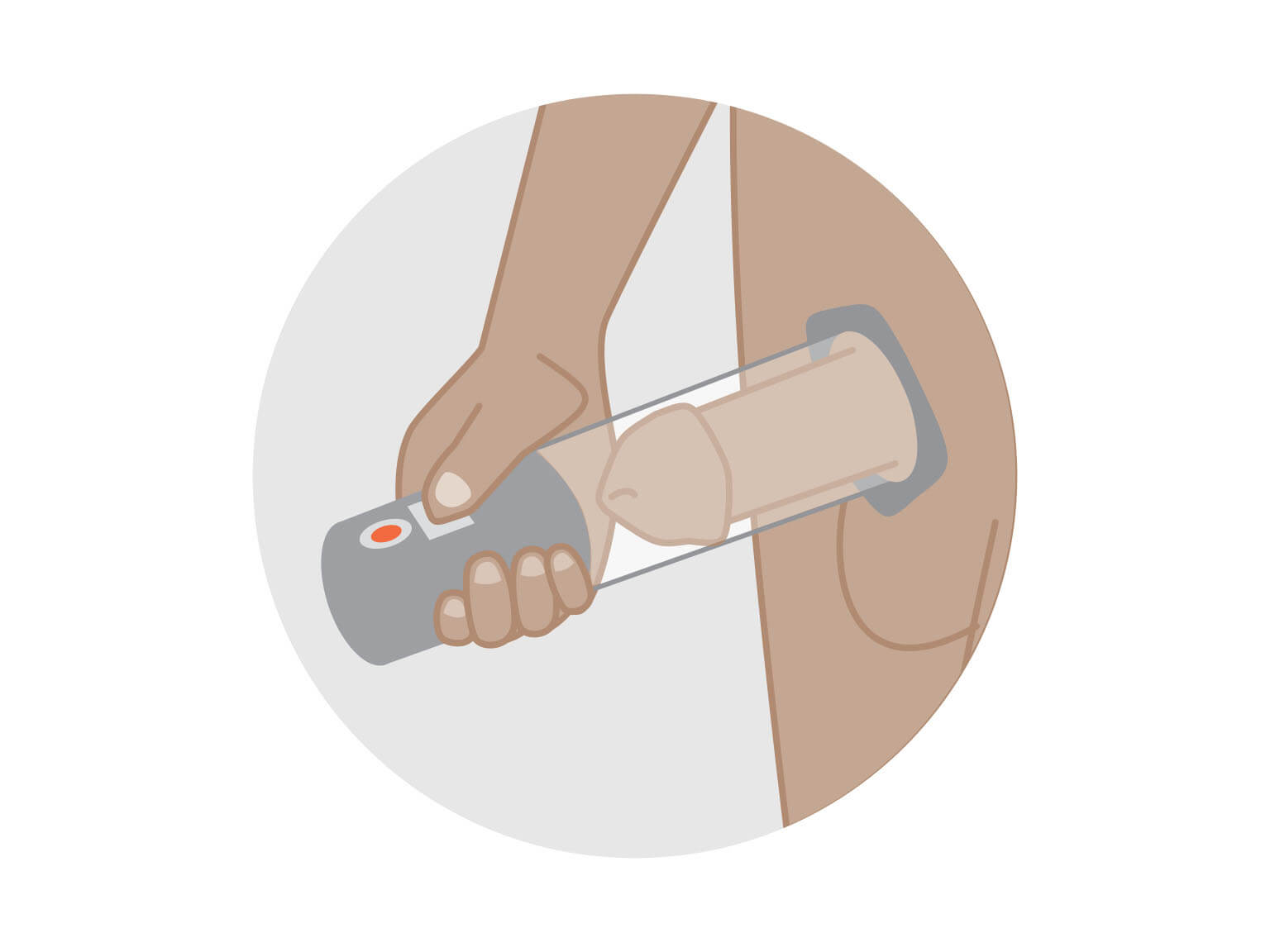
A vacuum erection device (VED) or “penis pump” uses suction to make blood flow into the penis. This device can also help to strengthen or maintain a natural erection. Talk to your doctor about suitable devices for you and where to buy them.
You place a clear, rigid tube over the penis. A manual or battery-operated pump then creates a vacuum that causes blood to flow into the penis so it gets hard. You place a rubber ring at the base of the penis to keep the erection firm for intercourse after the pump is removed. The ring can be worn comfortably for 30 minutes.
Penile injection therapy (PIT)
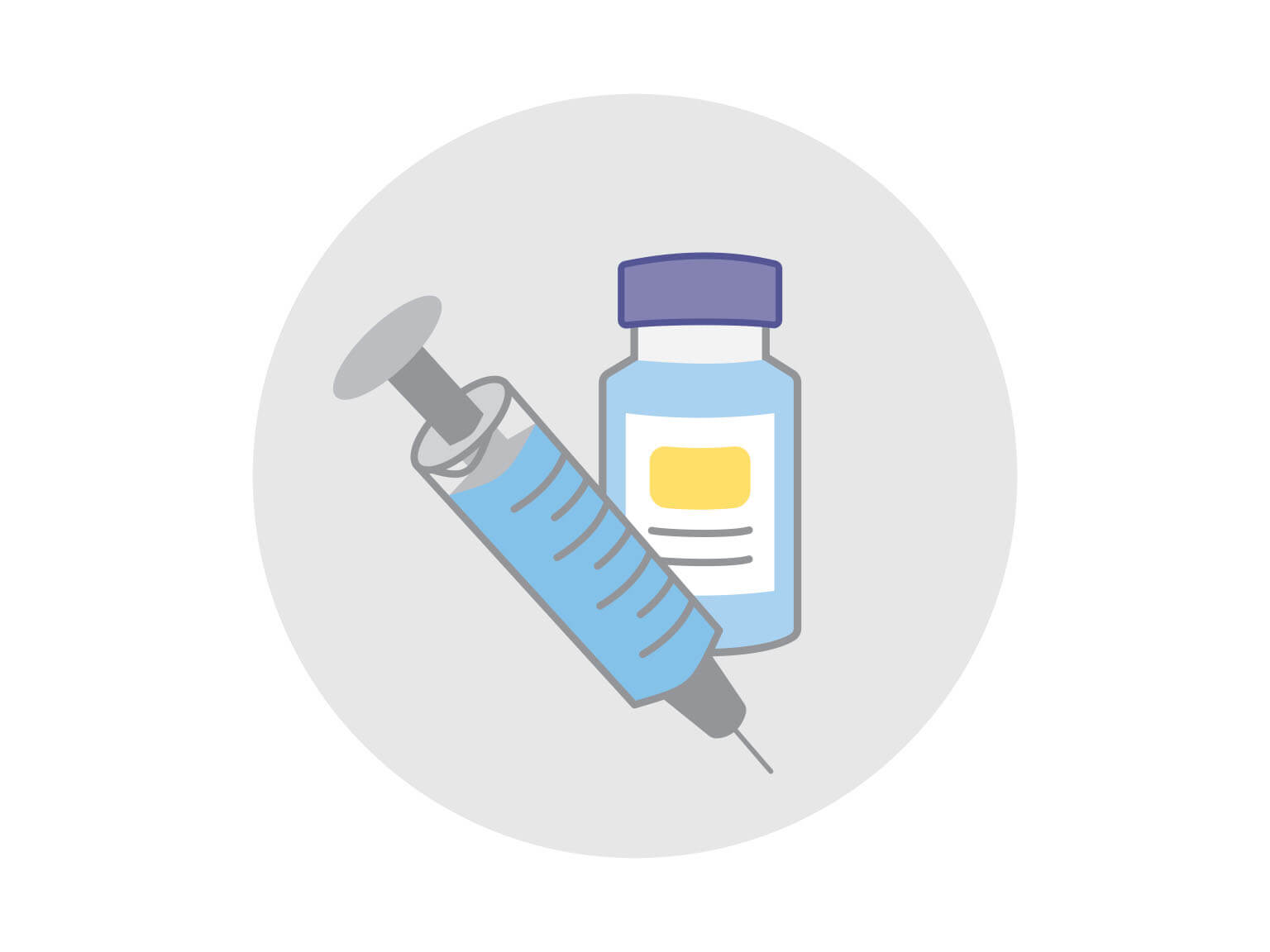
Penile injection therapy (PIT) involves injecting the penis with medicine that makes blood vessels in the penis expand and fill with blood, creating an erection. This usually occurs within 15 minutes and lasts for 30–60 minutes.
The medicine has to be prescribed by a doctor. It often comes in pre-loaded syringes, which are single use. You can also buy it in vials from a compounding pharmacy and measure it out into a syringe yourself.
You will be taught how to inject the penis. Injecting your penis may sound unpleasant, but many people say it causes only a moment of discomfort.
PIT works well for many people, but a few may have pain and scarring. A rare side effect is a prolonged and painful erection (priapism). This needs emergency medical attention.
Implants
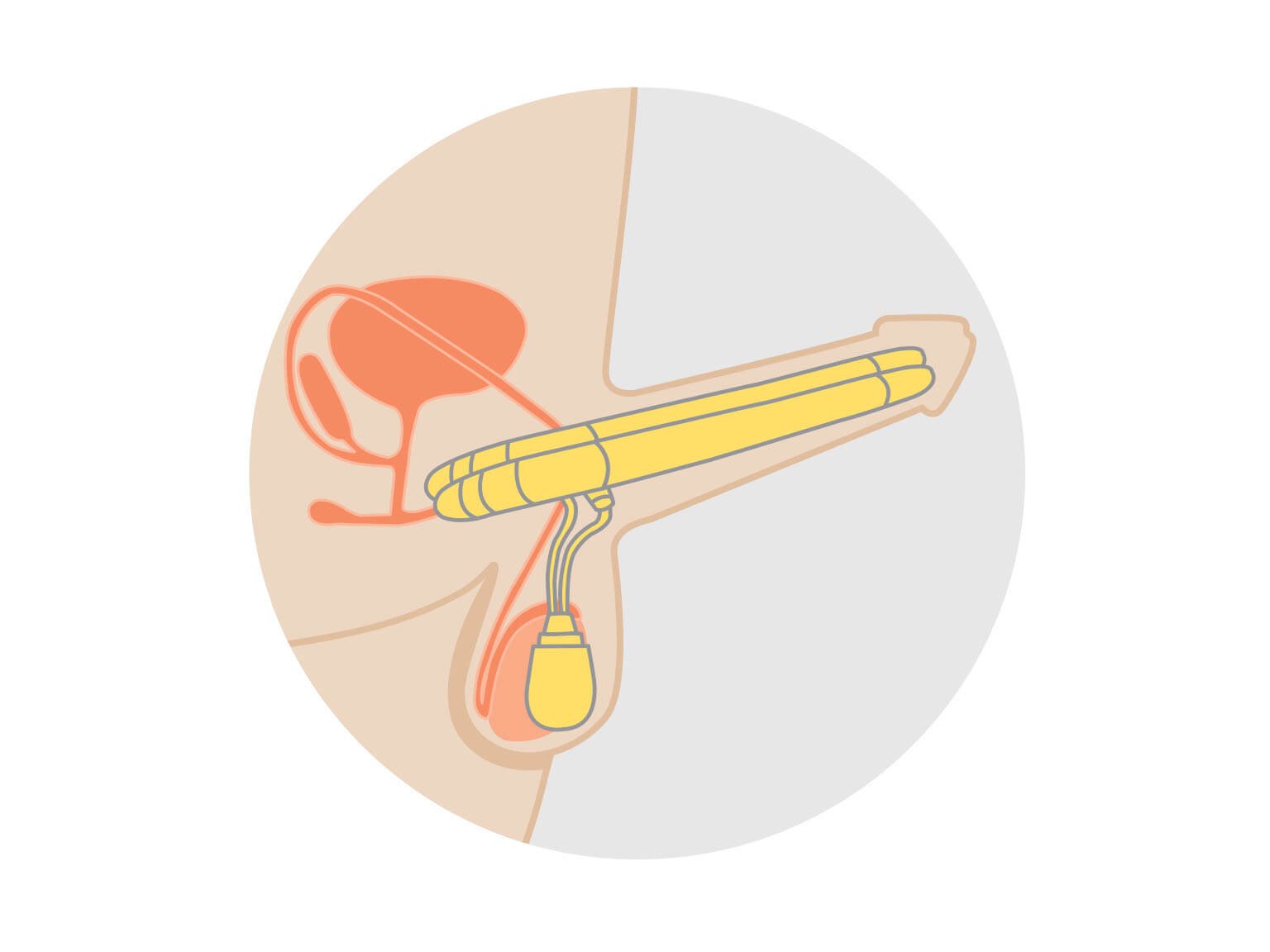
A penile prosthesis is a permanent implant that allows you to create an erection. Flexible rods or thin, inflatable cylinders are placed in the penis during surgery and connected to a pump in the scrotum. You turn on or squeeze the pump when you want an erection.
An implant is not usually recommended for at least a year after prostate cancer treatment, and non-surgical options such as oral medicines or injections will usually be tried first.
Occasionally, penile implants need to be removed. If this happens, you will no longer be able to have an erection.
Urinary problems
Trouble controlling the flow of urine (urinary incontinence) is a common side effect of some treatments for prostate cancer.
After prostate surgery, issues with urinary incontinence are common for several weeks or months and usually improve slowly over time. Most people will need to use incontinence pads in the first few weeks after surgery. Only a small number of people will need to use incontinence pads long term. You may find that you:
- lose a few drops of urine when you cough, sneeze, strain or lift something heavy
- leak some urine during sex
- have blood in your urine that may last a few weeks.
Urinary problems caused by radiation therapy are usually temporary and tend to improve within a few months of finishing treatment. In some cases, radiation therapy can:
- reduce how much urine the bladder can store
- irritate the bladder
- narrow the urethra
- weaken the pelvic floor muscles.
You may also find that you need to pass urine more often or in a hurry, or that you have difficulty passing urine. Sometimes, medicines or surgery can improve urine flow – ask your doctor if this is an option for you.
Coping with urinary incontinence
- Start pelvic floor exercises before surgery to help reduce the likelihood of ongoing urinary incontinence after surgery. The exercises are also important after surgery.
- Ask your doctor, urologist, continence physiotherapist or continence nurse about how to correctly do pelvic floor exercises.
- Drink plenty of water to dilute your urine – concentrated urine can irritate the bladder.
- Keep drinking plenty of fluids, even if you are afraid of leakage. Dehydration can cause constipation, which may also lead to leakage and difficulty passing urine.
- Limit tea and coffee as they contain caffeine, which can irritate the bladder. Alcohol and carbonated drinks may also irritate the bladder.
- Talk to a continence nurse or continence physiotherapist about continence products if needed. These include absorbent pads to wear in your underpants, and bed and chair covers. They may also recommend medicines or a special plastic clamp for your penis.
- Ask your continence nurse or GP if you can apply for the Continence Aids Payment Scheme. This is a yearly payment to help cover the cost of continence products.
- If incontinence does not improve after 6–12 months, talk to your doctor or urologist about whether surgery is an option. For example, a surgically inserted sling or artificial sphincter works by pulling the urethra up to help the sphincter muscle close more effectively.
- Get resources from the Prostate Cancer Foundation of Australia (1800 22 00 99 or prostate.org.au) and the Continence Foundation of Australia (1800 33 00 66 or continence.org.au).
Other changes to your sexual function
Changes may affect your sex life, feelings of pleasure and intimacy.
Loss of libido
Reduced interest in sex (low libido) is common during cancer treatment. While anxiety and fatigue can affect libido, it can also be affected by ADT, which lowers testosterone levels, and by the sexual side effects associated with radiation therapy or surgery. Sex drive usually returns when treatment ends, but sometimes changes in libido are ongoing.
Loss of pleasure from prostate stimulation
Depending on whether the prostate is removed, or radiation or hormone treatment damages the prostate, you may no longer feel pleasure from the prostate being stimulated. Consider other ways to feel pleasure, such as stimulating the penis or the area around the anus.
Dry orgasm
After surgery, you will feel the muscular spasms and pleasure of an orgasm, but you won’t ejaculate semen. This is called a dry orgasm. It happens because the prostate and seminal vesicles that produce semen are removed during surgery, and the tubes from the testicles (vas deferens) are sealed. Radiation therapy may also affect how much sperm you make, but this is often temporary.
Leaking urine during sex
A radical prostatectomy can weaken the sphincter muscle that controls the flow of urine. This may cause a little urine to leak during intercourse and orgasm. You may find this embarrassing, but it won’t harm your partner. Before sex, empty your bladder. Try sex in the shower, or use a condom or a constriction ring (available from sex shops) at the base of the penis to prevent leakage. Talk to your doctor if you are concerned.
Managing changes in your sex life
- Talk about the changes and your feelings about sex. If you have a partner, changes may affect you both. Reassure them that intimacy is still possible and important to you.
- Focus on giving and receiving pleasure in different ways without sexual penetration. Other ways of expressing love include touching, holding, caressing and massage.
- Try adult products (e.g. sex toys, dildos, vibrators) to spark interest in sex. Your partner can satisfy themselves, either alone or with you present.
- Take time to get used to any changes. Look at yourself naked in the mirror and touch your genitals to feel any differences or soreness.
- Start slowly – touch each other’s skin, then genitals.
- When you feel ready, you may try vaginal intercourse even with a partial erection. This may encourage more and better erections. A partial erection may not be strong enough for anal sex but you could work up to this using stimulation to encourage stronger erections.
- Explore and understand any changes by masturbating.
- Ask your partner to help you reach orgasm through gentle hand-stroking. Use silicone-based lubricants for prolonged stimulation.
- Try different positions to find what feels comfortable. Kneeling or standing may also help with erections.
- Mindfulness techniques may help you stay in the moment. Listen to our Finding Calm During Cancer podcast for exercises.
- Talk to your doctor, a sexual health physician or counsellor if the changes are causing depression or relationship problems.
Restoring your sex life
Prostate cancer can affect your sex life physically and emotionally. How much will depend on factors such as the cancer treatment and its side effects, your general health, how you and your partner/s communicate, and your self-confidence. It takes time to adjust to changes in your sex drive, your self-esteem and relationships.
Telling a new partner
Deciding when to tell a potential sexual partner about your cancer experience isn’t easy, and you may even avoid dating or sex. It can be helpful to wait until you and your new partner have developed a mutual level of trust and caring. You might prefer to talk with a new partner about your concerns before becoming sexually intimate. By communicating openly, you avoid misunderstandings and may find that your partner is more accepting and supportive.
Fertility problems
Infertility is common after surgery, radiation therapy or ADT for prostate cancer. This means you can no longer have children naturally. If you may want to have children in the future, you (and a partner if you have one) should talk to your doctor about the options before treatment starts. You may be able to store some sperm at a fertility clinic to use when you are ready to start a family.
Radiation therapy may affect sperm quality for 6–12 months after treatment and cause birth defects. You will need to use contraception or not have sexual intercourse to avoid conceiving during this time.
Other side effects
Treatment for prostate cancer may lead to a range of other concerns, but most of these can be managed.
Fatigue
Cancer treatment often makes people very tired. After surgery, it may take some time to get back your strength. With external beam radiation therapy, you may get particularly tired near the end of treatment and for some weeks or months afterwards. Regular exercise can help reduce tiredness.
Bowel problems
Although this is an uncommon side effect of radiation therapy, you may experience rectal bleeding after treatment. It is common to have a stronger sensation of needing to have a bowel movement (find out about reducing the risk of bowel side effects). A astroenterologist or colorectal surgeon may treat ongoing bowel problems with changes to your diet, steroid suppositories (a tablet that you insert into the rectum through the anus), laser therapy or other treatments applied to the bowel wall. For more information, talk to your radiation oncologist or a continence nurse.
Hot flushes
You may experience hot flushes if you are having ADT. Things that may help include drinking less alcohol, avoiding hot drinks, wearing loose-fitting cotton clothing, getting regular exercise, learning relaxation techniques, and trying acupuncture. For more information, talk to your doctor.
Osteoporosis
Loss of bone density can be a delayed side effect of ADT, so your specialist or GP may need to monitor your bone mineral density. Regular weight-bearing exercise (e.g. brisk walking, light weights or a guided exercise program), eating calcium-rich foods (e.g. yoghurt, milk, tofu, green vegetables), getting enough vitamin D, limiting how much alcohol you drink, and not smoking will also help keep your bones strong. For more information, call Healthy Bones Australia on 1800 242 141 or visit healthybonesaustralia.org.au.
Heart problems
Because ADT can increase the risk of heart problems and stroke, your doctor will monitor how well your heart is working.
Loss of muscle mass and strength
You may find a decrease in muscle mass the longer you are on ADT. So staying as fit and active as you can may help. Clinical trials are looking at how strength and resistance training (used with supplements) may preserve muscle mass for people with prostate cancer.
Hormone effects
Weight gain, mood swings, breast swelling, body changes, and high cholesterol are more likely to happen the longer you use ADT.
Sources and references
This content has been developed by Cancer Council NSW on behalf of all other state and territory Cancer Councils as part of a National Cancer Information Subcommittee initiative. We thank the reviewers: Prof Declan Murphy, Consultant Urologist, Director – Genitourinary Oncology, Peter MacCallum Cancer Centre and The University of Melbourne, VIC; Alan Barlee, Consumer; Dr Patrick Bowden, Radiation Oncologist, Epworth Hospital, Richmond, VIC; Bob Carnaby, Consumer; Dr Megan Crumbaker, Medical Oncologist, St Vincent’s Hospital Sydney, NSW; Henry McGregor, Health Physiotherapist, Adelaide Men’s Health Physio, SA; Jessica Medd, Senior Clinical Psychologist, Department of Urology, Concord Repatriation General Hospital and Headway Health, NSW; Dr Gary Morrison, Shine a Light (LGBTQIA+ Cancer Support Group); Caitriona Nienaber, 13 11 20 Consultant, Cancer Council WA; Graham Rees, Consumer; Kerry Santoro, Prostate Cancer Specialist Nurse Consultant, Southern Adelaide Local Health Network, SA; Prof Phillip Stricker, Chairman, Department of Urology, St Vincent’s Private Hospital, NSW; Dr Sylvia van Dyk, Brachytherapy Lead, Peter MacCallum Cancer Centre, VIC. We also thank the health professionals, consumers and editorial teams who have worked on previous editions of this title

Prostate cancer
Cancer Council 13 11 20
Call us to talk to a specially trained health professional for free and confidential support and information.
Guide to best cancer care
This prostate cancer guide explains the standard of high-quality cancer care that all Australians can expect, from diagnosis, to treatment, recovery, and living with cancer.